

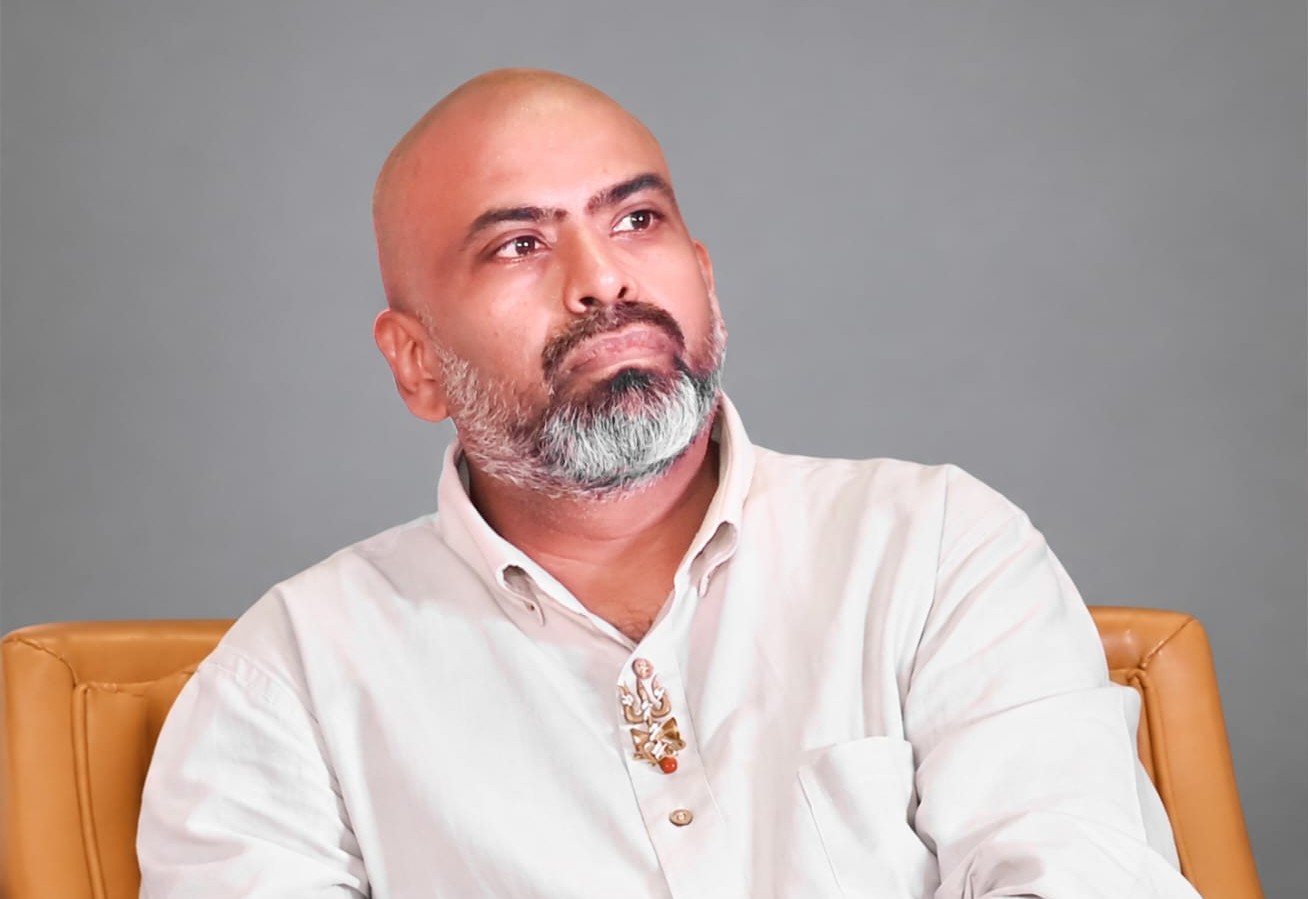
Arvind Kumar
India wastes millions of tons of food every year. In the same country, on the same day, countless people go without a single meal. That contradiction isn’t a policy failure to be solved by someone else — it’s a design failure in how we, as businesses and individuals, think about consumption.
After nearly three decades building institutions across hospitality, infrastructure and sport, I’ve come to a simple conclusion: the fight against hunger doesn’t start with distribution. It starts with awareness. And awareness doesn’t scale through campaigns — it scales through platforms people already love.
That belief is the thread running through everything I’ve built, from a national food-awareness movement to a cricket league to a go-karting academy for kids who’d never otherwise touch a racing kart. They look like unrelated ventures. They aren’t. Each one is an answer to the same question: how do you embed a social mission so deeply into an activity that people absorb the message without being lectured to?

Awareness Is a Distribution Problem, Not a Content Problem
Most hunger-relief efforts default to the same playbook: feed people, post about it, repeat. That’s necessary, but it’s not sufficient. It treats hunger as a supply-chain issue when it’s equally a behavioural one — rooted in how casually food gets wasted upstream, at weddings, restaurants, and in homes.
This is why I founded Hunger Free Bharat as a movement rather than a charity drive. Its work spans spreading awareness about food wastage, promoting responsible consumption, encouraging redistribution, supporting meal programs, and educating communities on malnutrition — but the underlying strategy is singular: meet people where their attention already is, whether that’s a cricket stadium or a devotional gathering, and make the message impossible to scroll past.
The principle I’d offer other founders and business leaders: if your social mission depends on people seeking out your content, it will stay niche. If it rides on a platform they’re already engaged with, it becomes culture.
Sport Is the Most Underused Distribution Channel in Social Impact
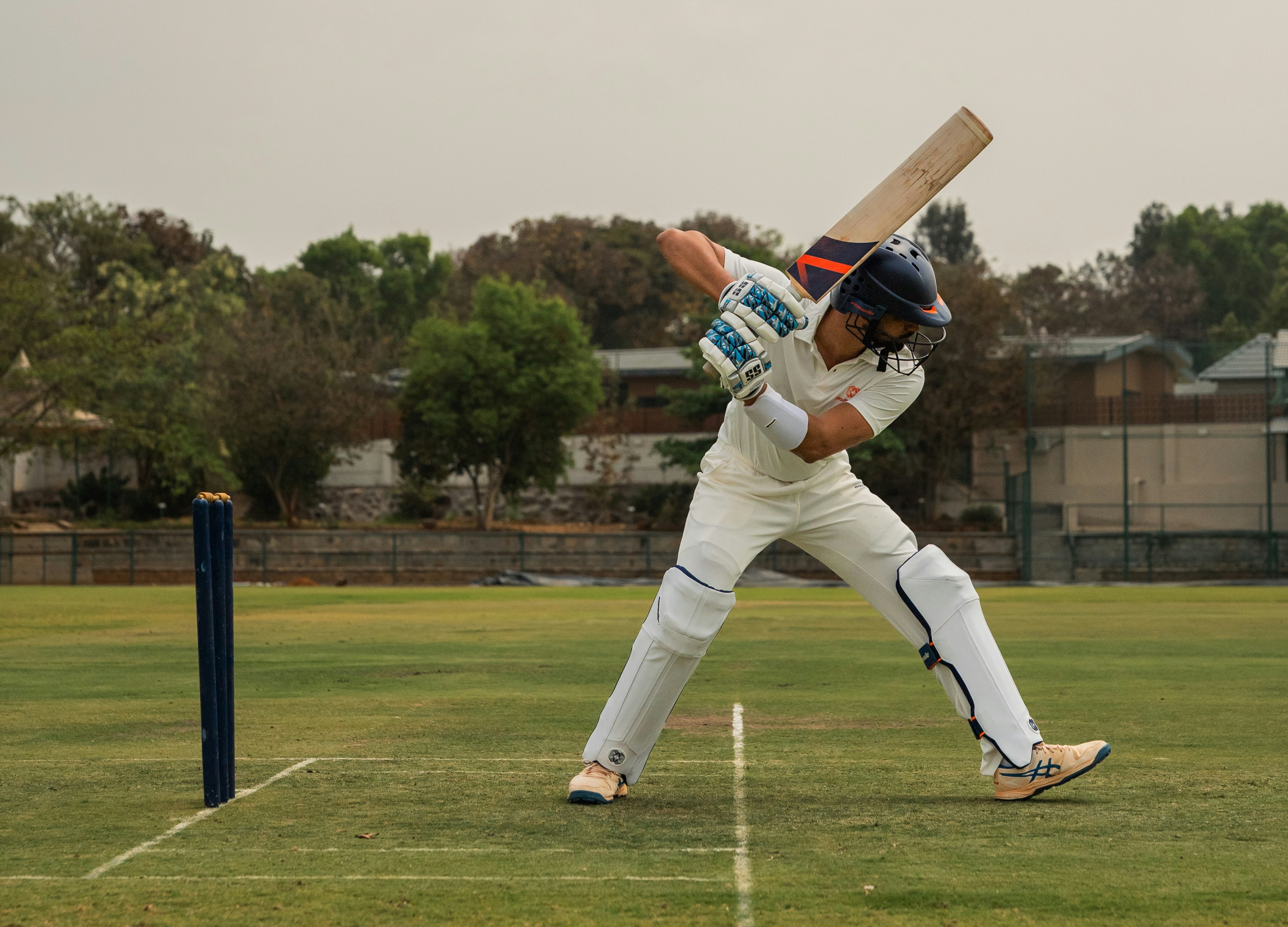
The Rashtriya Cricket League (RCL) is the clearest test of that principle. On paper, it’s a cricket tournament for restaurants and hospitality professionals. In practice, it’s a delivery mechanism — using the emotional pull of cricket to put food wastage and hunger in front of business leaders, celebrities and sports enthusiasts who might never attend a hunger-awareness seminar.
The lesson here isn’t “sponsor a sports event.” It’s that sport carries trust and attention that most CSR content can’t buy. When a message travels through something people already care about, it doesn’t feel like messaging — it feels like meaning. Every league match, every run scored, becomes an entry point into a conversation about food and responsibility that would otherwise never happen.
Access Is the Real Barrier in Elite Sport — Not Talent
The same logic shaped my approach to motorsport. Turbo Track, Delhi NCR’s largest go-karting destination, exists to build motorsport culture in India — through professional go-karting, driver development, corporate team-building and safe-driving awareness. But the venture I care about most sits inside it: Turbo Kartel Academy.
Motorsport has always excluded on the basis of wealth, not skill. Karting gear, track time and coaching are expensive enough that most talented kids never get a single lap. Turbo Kartel was built to break that gate: a training model with a deliberately affordable fee structure, so that grassroots talent — not family income — determines who gets a shot at competitive racing.
As I tell every parent who walks through the door: “Every child deserves a chance. Somewhere among these young racers may be India’s next motorsport champion.” The academy isn’t a feeder business for Turbo Track. It’s a correction to an industry that’s been pricing out its own future champions for decades.
The Framework: Build the Platform, Then Build the Mission Into It
Across hospitality, sport and social impact, the pattern I keep returning to is this:
1. Find where attention already lives — a sport, a gathering, a shared passion — rather than trying to create attention from scratch.
2. Remove the financial gatekeeping that keeps talent or participation limited to the privileged.
3. Make the social message structural, not promotional — it should be built into what the platform does, not bolted on as a sponsorship line.
Applied to hunger, that’s Hunger Free Bharat riding on cricket and community gatherings. Applied to motorsport, that’s an affordable academy inside a commercial karting venue. The venture funds the mission; the mission gives the venture purpose beyond margins.

Where This Goes Next
None of this is finished work. A Hunger Free Bharat is still, honestly, a distant target — and Indian motorsport is still years from producing the international champions I believe are out there, unseen, simply because no one gave them a lap on the track. But I’d rather measure progress by how deeply a mission is embedded in the platforms people love than by how loudly it’s announced.
Entrepreneurship doesn’t have to choose between profit and purpose. The businesses that will matter most over the next decade are the ones that stop treating social impact as a side initiative and start treating it as infrastructure — something built into the product, not appended to the press release.